Celebrating National Honey Bee Day: Honoring the Tiny Workers That Make a Big Difference

Every year on the third Saturday in August, beekeepers, gardeners, honey lovers, and pollinator supporters across the country celebrate National Honey Bee Day.

Here at Golliher Road Apiary in Rockwood, Tennessee, honey bees are part of our everyday lives. We watch them leave their hives in the morning, work the flowers and trees throughout the surrounding countryside, and return carrying nectar and colorful loads of pollen.

National Honey Bee Day gives us an opportunity to appreciate something we sometimes take for granted: just how remarkable these little insects really are.
In This Article
More Than Honey Makers
Life Inside a Honey Bee Colony
Honey Bees in East Tennessee
Being a Beekeeper Means Caring for the Bees
You Don't Have to Be a Beekeeper to Help Bees
Support Your Local Beekeepers
Take a Moment to Watch the Bees
Happy National Honey Bee Day from Golliher Road Apiary!
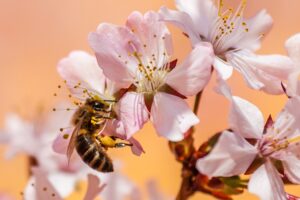
Honeybee Collecting Pollen 

More Than Honey Makers

When most people think about honey bees, the first thing that comes to mind is probably honey. And understandably so!

A jar of honey represents thousands upon thousands of trips from the hive to flowers and back again. Worker bees collect nectar, bring it home, pass it among other bees, reduce its moisture content, and eventually store the finished honey beneath a protective beeswax cap.

But producing honey is only part of what makes honey bees so valuable.

Honey bees are also important pollinators. As they move from flower to flower collecting nectar and pollen, grains of pollen are transferred between blossoms. This helps many flowering plants produce fruits and seeds.

Apples, berries, melons, cucumbers, squash, and many other crops benefit from insect pollination. Honey bees also work alongside native bees, butterflies, moths, beetles, and other pollinators to keep our farms, gardens, and natural areas productive.

“National Honey Bee Day isn't just about celebrating honey—it's about celebrating the remarkable little pollinators that help keep our gardens, farms, and countryside blooming.”
Beekeepers Inspecting a Hive

Life Inside a Honey Bee Colony

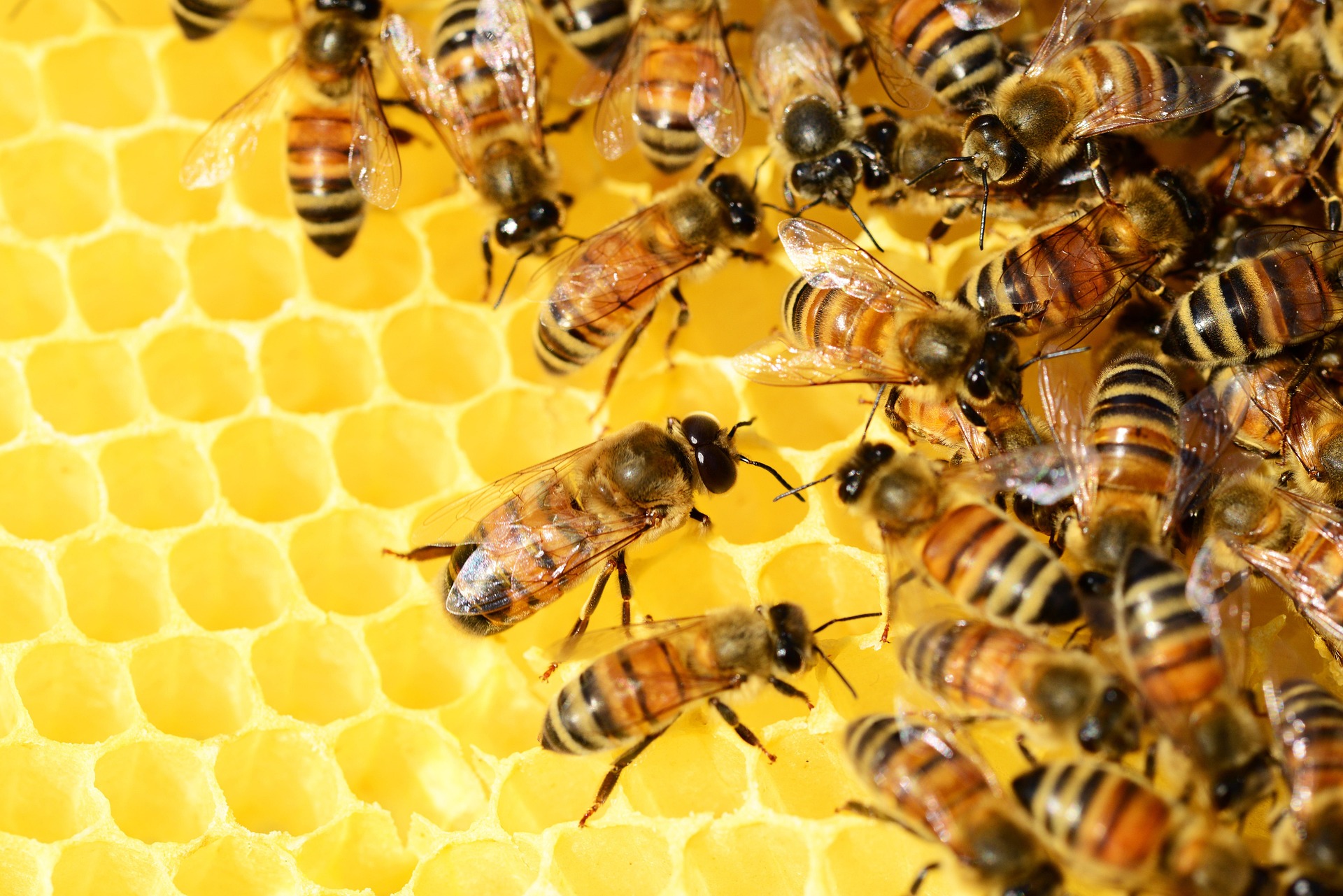
One of the most fascinating things about honey bees is that a colony functions as a highly organized community.

A healthy colony may contain tens of thousands of bees during the height of summer. Nearly all of them are female worker bees.

Each has work to do.

Young workers may clean cells, feed developing larvae, tend the queen, build beeswax comb, process incoming nectar, or guard the hive entrance. As they mature, many eventually become foragers, leaving the hive in search of nectar, pollen, water, and other resources the colony needs.

The queen has a different job. During the active season, she spends much of her time laying eggs that will become the next generation of bees.

Then there are the drones—the male honey bees. Their primary biological purpose is to mate with queens from other colonies.

Every bee contributes to the remarkable system that keeps the colony functioning.

Honey Bees in East Tennessee

East Tennessee provides honey bees with a diverse assortment of forage throughout the growing season.

Depending on the location and time of year, bees may visit flowering trees, clover, blackberry, tulip poplar, sumac, goldenrod, asters, and countless other wildflowers and native plants.

That changing mixture of nectar sources is one reason local honey can vary from season to season.

The color may be slightly different. The aroma may change. One harvest may be mild and delicate while another has a deeper, richer flavor.

That's one of the things we enjoy about producing honey at Golliher Road Apiary. Each harvest reflects what was blooming around our apiary when our bees were collecting nectar.

In a sense, every jar is a little taste of East Tennessee.
Good beekeeping means continually asking those questions and giving the bees the best opportunity to thrive.
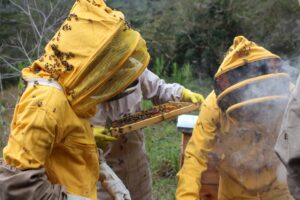
 

Beekeepers Tending to a Hive

Being a Beekeeper Means Caring for the Bees

Keeping honey bees involves much more than putting a hive in the backyard and waiting for honey.

Beekeepers regularly inspect colonies to make sure queens are laying properly, bees have enough food, colonies have adequate room, and pests and diseases aren't becoming a problem.

One of the biggest concerns for modern beekeepers is the Varroa mite, a parasite that feeds on honey bees and can contribute to the spread of harmful viruses within a colony.

Beekeepers must also pay attention to food stores, weather, swarming, queen health, and seasonal changes.

By August, when National Honey Bee Day arrives, many beekeepers are already thinking ahead to fall and winter.

Will the colony have enough food?

Is the queen healthy?

Are mite levels under control?

Is the colony strong enough to make it through winter?

Good beekeeping means continually asking those questions and giving the bees the best opportunity to thrive.

Support Your Local Beekeepers

National Honey Bee Day is also a good opportunity to support the men and women keeping bees in your community.

Buying honey directly from a local beekeeper does more than put a delicious jar of honey in your pantry. It supports small apiaries and helps keep beekeeping alive in local communities.

It also gives you an opportunity to learn where your honey comes from.

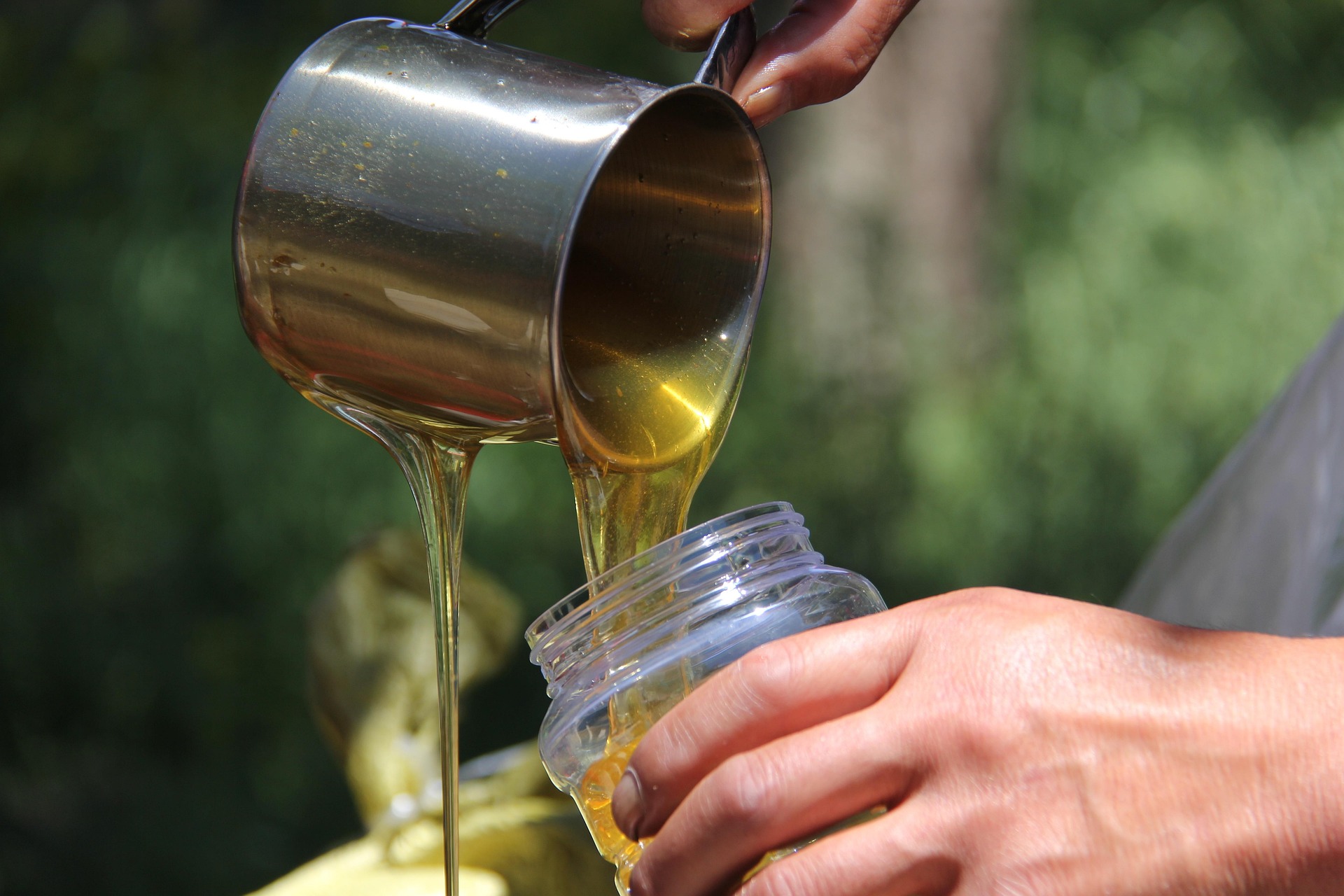
At Golliher Road Apiary, our bees forage among the wildflowers, trees, and other plants surrounding our apiary here in Rockwood, Tennessee. We harvest our honey in small batches, gently extract it from the comb, and lightly strain it before bottling.

We don't pasteurize our honey, allowing each harvest to retain the flavor and character created by the nectar sources our bees visited.
Learn About Bees Just By Watching Them

Take a Moment to Watch the Bees

There's an easy way to celebrate National Honey Bee Day that doesn't cost anything.

Go outside and find some flowers.

Then stop for a few minutes and watch.

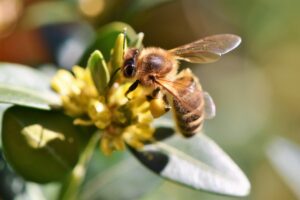
You may see honey bees moving quickly from blossom to blossom. Look closely and you might notice yellow, orange, tan, or even reddish pollen packed onto their hind legs.

You may also discover bumble bees, small native bees, butterflies, and other pollinators working right alongside them.

Once you begin noticing pollinators, it's surprising how much activity is happening around us every day.


Happy National Honey Bee Day from Golliher Road Apiary!

National Honey Bee Day may only come once a year, but for beekeepers, every day with the bees brings another opportunity to appreciate these remarkable insects.

They pollinate plants, produce honey and beeswax, support agriculture, and provide us with an incredible look at how thousands of individual insects can work together as one colony.

Here at Golliher Road Apiary, we're proud to be a small part of that story.

So this National Honey Bee Day, plant a flower, support a local beekeeper, enjoy a spoonful of local honey, or simply spend a few minutes watching the bees work.

From our hives to your home, Happy National Honey Bee Day!

— Golliher Road Apiary
Rockwood, Tennessee
Similar Posts