|
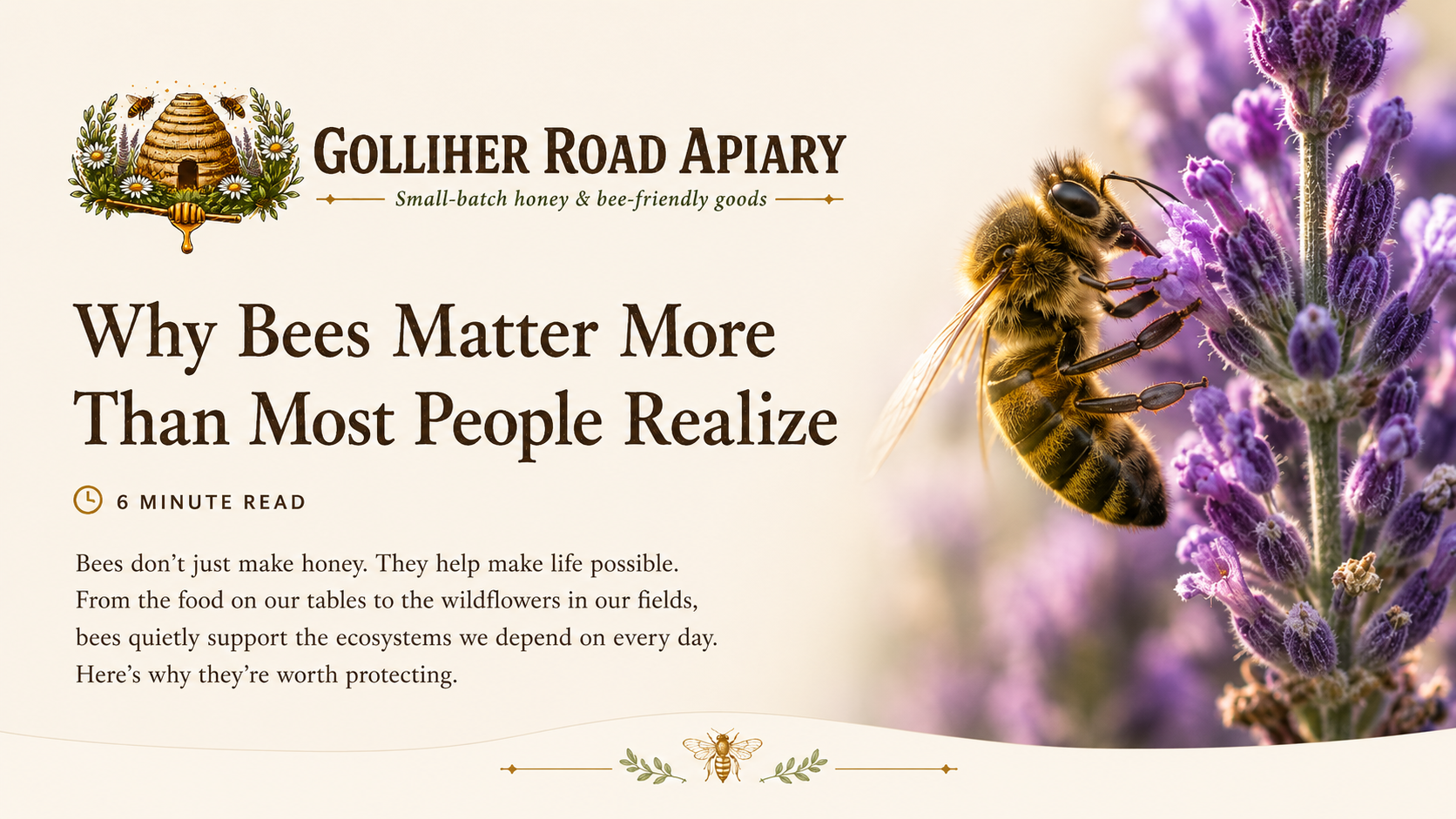
When most people think about bees, they think about honey, stings, flowers, or maybe the soft buzzing sound around a summer garden. But bees are doing far more than making honey. They are part of the quiet, essential work that keeps gardens blooming, farms productive, wild plants reproducing, and local ecosystems healthy. |

|

| In This Article | |
|---|---|
 |
Bees Help Feed Us |
|
Bees Support More Than Honey Crops |
|
Bees Help Keep Wild Places Healthy |
|
Honey Is a Reflection of Place |
|
Bees Teach Us to Pay Attention |
|
Bees Face Real Challenges |
|
How You Can Help Bees |
|
Bees Matter Because Everything Is Connected |
 vegetables, and nuts we enjoy every day. |
|
| Without pollinators like bees, many foods would become harder to grow, more expensive, or less available. Apples, blueberries, cucumbers, melons, squash, almonds, pumpkins, and many other crops benefit from bee pollination.
Even foods that do not rely entirely on bees often produce better yields when pollinators are active. In simple terms: more bees often means better gardens, better harvests, and more food. |
|
 |
|
| So when we talk about helping bees, we are not just talking about honeybees. We are talking about supporting a whole network of pollinators that help keep gardens, wildflowers, orchards, and natural spaces productive. | |
 Bees Help Keep Wild Places Healthy
Bees do not only work in farms and gardens. They also help pollinate wild plants.
Those wild plants feed birds, deer, rabbits, insects, and other wildlife. They also help hold soil in place, support healthy forests and meadows, and contribute to the biodiversity of an area.
A wildflower that feeds a bee may later produce seeds that feed a bird. A berry-producing shrub may depend on pollinators before it can provide food for wildlife. A meadow full of blooming plants may support dozens of insects, birds, and small animals.
Bees are part of a much larger chain of life.
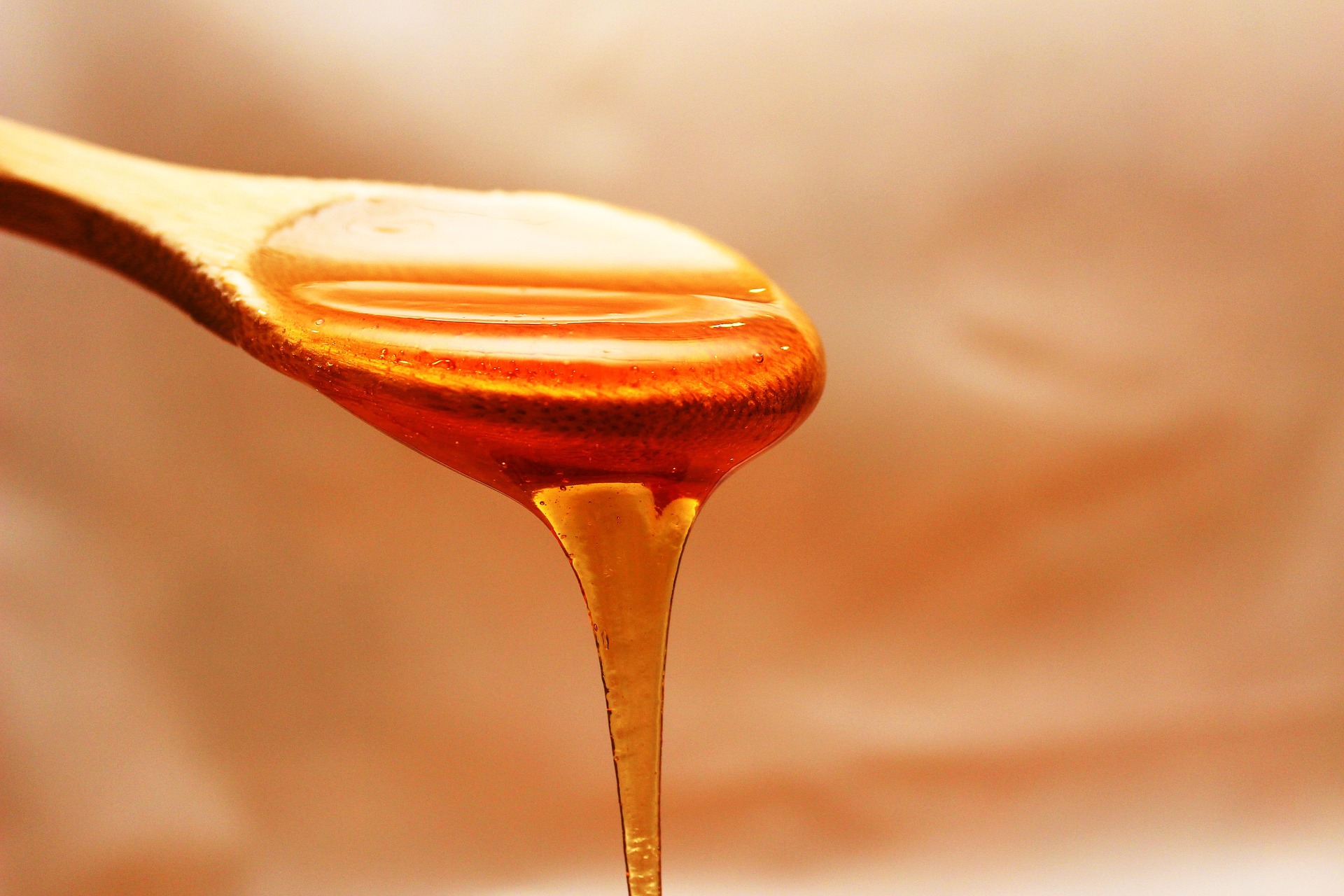 the flowers, the trees, and the season it came from. |
|
 Bees Teach Us to Pay Attention
Beekeeping has a way of changing how people see the world.
You start noticing what is blooming. You notice when clover appears in the yard, when trees flower, when goldenrod opens, when drought slows everything down, and when rain brings the blooms back.
Bees remind us that nature works in seasons, not schedules.
They also remind us that small things matter. A single bee may seem insignificant, but thousands of bees working together can support a thriving colony, pollinate countless flowers, and produce honey one tiny nectar load at a time.
There is something humbling about that.
 |
|
 How You Can Help Bees
You do not have to be a beekeeper to support bees.
You can help by:
- Planting flowers that bloom across different seasons, especially native plants when possible.
- Letting clover and dandelions feed early pollinators.
- Avoid spraying pesticides on blooming plants.
- Providing shallow water with stones or sticks so bees can land safely.
- Leaving a few wild edges, hollow stems, or undisturbed spots for native pollinators.
And, of course, you can support local beekeepers by buying local honey and learning where your food comes from.
Each small choice helps create a better environment for pollinators.
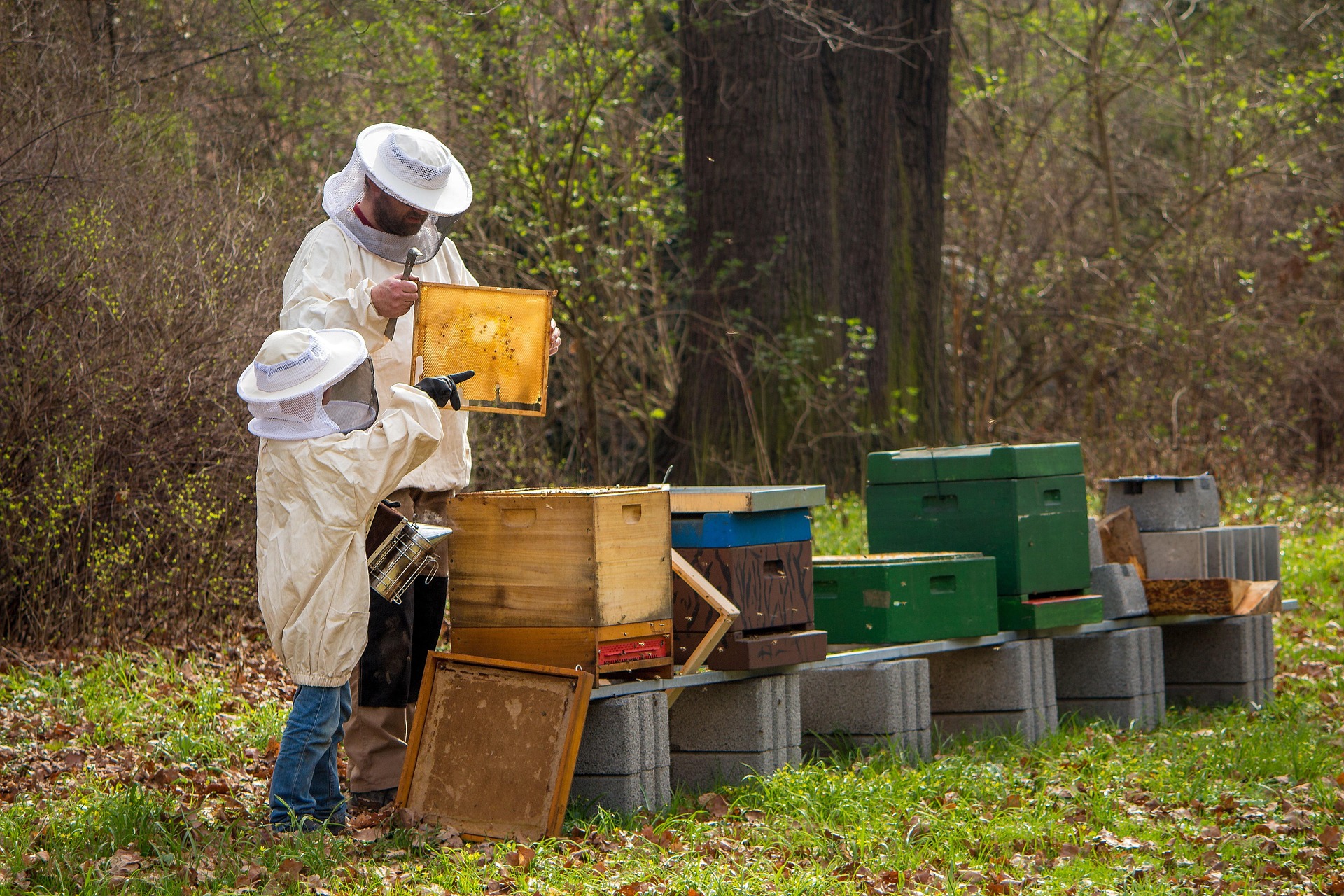 healthy bees, and the local pollination work that benefits gardens, farms, and wild places. |
|
| Most people notice bees only when they are buzzing nearby, but the truth is, bees are quietly helping hold the world together. And that is worth protecting. | |